
Doctor of Philosophy (Ph.D.)
African American Studies
Northwestern University
2013
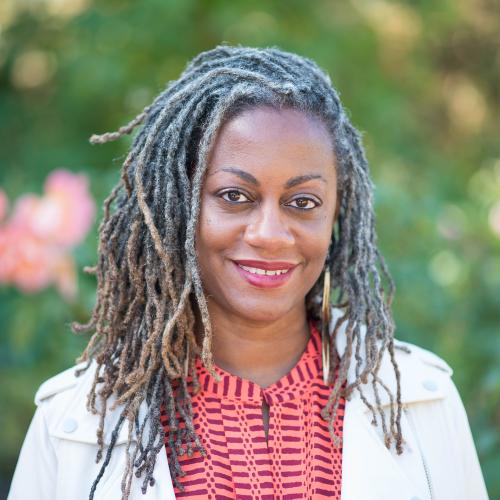
LaTasha Levy, Ph.D. is an associate professor in the Department of Afro-American Studies. She earned her a B.A. in African American and African Studies at the Carter G. Woodson Institute at the University of Virginia; a master's degree from the Africana Studies and Research Center at Cornell University, and a Ph.D. in African American Studies from Northwestern University. Levy's research and teaching interests include African American History and Culture; Black Intellectual Thought; Black Studies; Black Women's Studies; and the Social Significance of Race.
African American Studies
Northwestern University
2013
Africana Studies and Research Center
Cornell University
2007
African American and African Studies
University of Virginia
2000
Read: CNN | How cities are scaling back Juneteenth celebrations after Trump-era DEI rollbacks
Read: University of Washington | For Black Republicans, A Dramatic Shift
Read: University of Washington | UW Expert: Ketanji Brown Jackson confirmation hearings ‘will hold a mirror up to this nation'
Read: University of Washington | ‘An Occasion for Unapologetic Black Joy, Community Connection and Reeducation’: UW’s LaTaSha Levy Discusses Juneteenth
Read: The Seattle Globalist | Placing #MeToo in Black History
Listen: KUOW 94.9 | What Black Lives Matter and Black Panthers Have in Common
Black Conservative Dissent in The Black Intellectual Tradition: African American Thought in the Twentieth Century
From 1900 to the present, people of African descent living in the United States have drawn on homegrown and diasporic minds to create a Black intellectual tradition engaged with ideas on race, racial oppression, and the world. This volume presents essays on the diverse thought behind the fight for racial justice as developed by African American artists and intellectuals; performers and protest activists; institutions and organizations; and educators and religious leaders.
Freedom is a Constant Struggle: Teaching the 1964 Freedom Summer Project in Understanding and Teaching the Civil Rights Movement
Speaking to the critical pedagogical need to teach civil rights history accurately and effectively, this volume goes beyond the usual focus on iconic leaders of the 1950s and 1960s to examine the broadly configured origins, evolution, and outcomes of African Americans' struggle for freedom. Essays provide strategies for teaching famous and forgotten civil rights people and places, suggestions for using music and movies, frameworks for teaching self-defense and activism outside the South, a curriculum guide for examining the Black Panther Party, and more.
Pan-Africanism in Theory and Praxis in Discourse on Africana Studies: James Turner and Paradigms of Knowledge
Discourse on Africana Studies: James Turner and Paradigms of Knowledge is both a reader and an introspective tribute, comprised of writings by James Turner and commentary from several of his former students. The book strives to underscore critical connections between multiple dimensions of Turner's legacy (as scholar, activist, institution-builder, teacher, and mentor), while also aiming to contribute to the growing historicized literature on the Black Studies movement of the late 1960s and early 1970s.
Beyond the ‘Great Men’ Canon of Black Intellectual History
Article in Black Perspectives at aaihs.org
Freedom Summer and Its Legacies in the Classroom
In planning the companion courses that we describe below—“Freedom Summer” and “Mapping Virginia in the Civil Rights Era”—we endeavored to bear the findings of the Southern Policy Law Center study in mind, as well as to confront critiques of the familiar narratives of the civil rights movement by introducing our students to its complexities in general, but particularly to the history and legacies of the dramatic moment that was the summer of 1964.