Doctor of Philosophy (Ph.D.)
Social Work
Howard University
2008

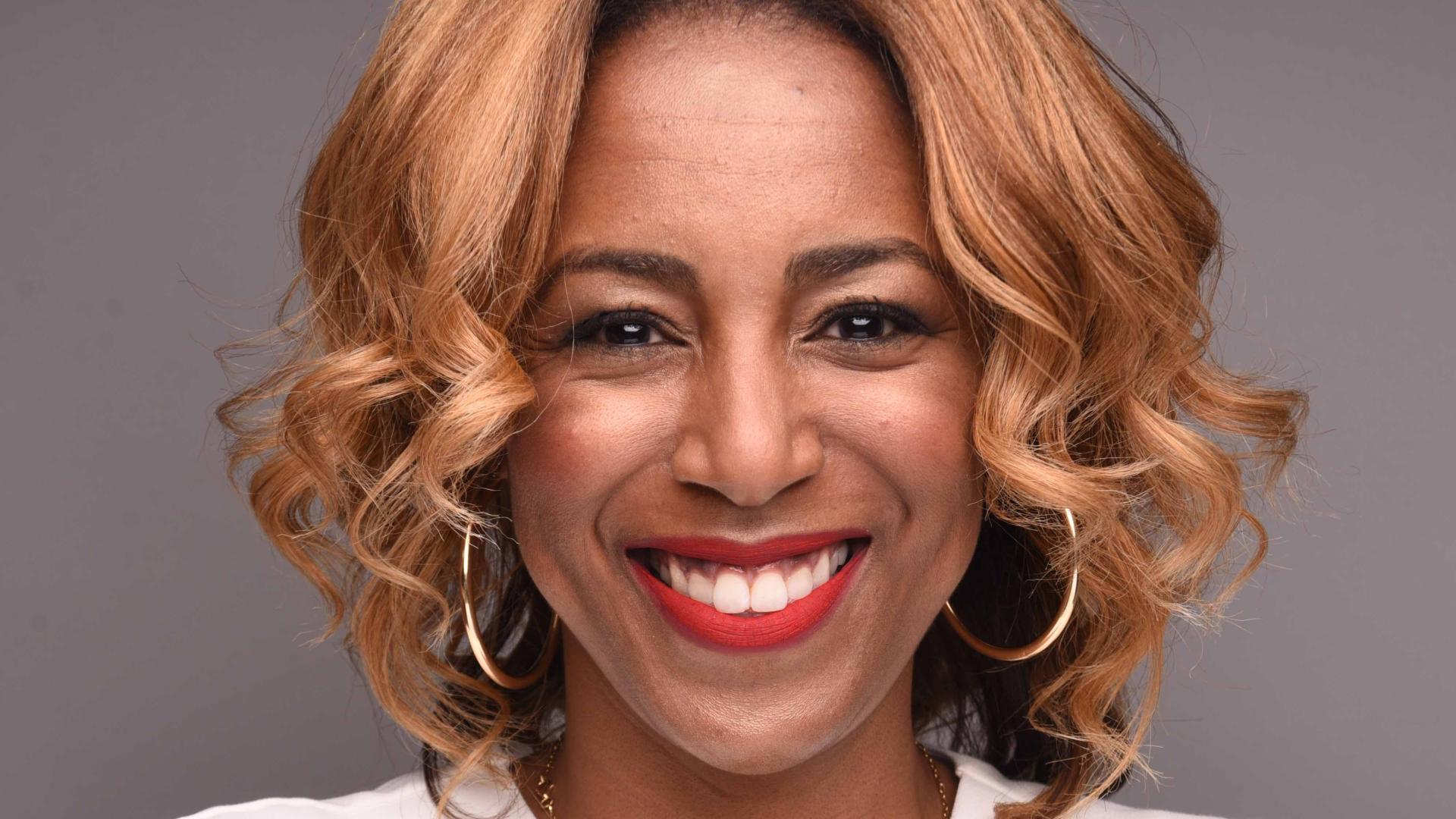
Altaf Husain, Ph.D., is an associate professor and associate dean for academic and student advancement in the Howard University School of Social Work. He was appointed by Dean Sheara Jennings as associate dean for academic and student advancement in January 2025. Upon his appointment, Husain said, “It is the honor of a lifetime to serve my alma mater through this appointment as associate dean for academic and student advancement. I owe much to Howard University and to the School of Social Work, specifically, and hope to serve the school with excellence as we mark the 90th anniversary of our founding.”
A son of Howard, Husain received his Ph.D. from the Howard University School of Social Work while serving in the Office of the Provost and Chief Academic Officer under Richard A. English. English served as dean of the School of Social Work from 1985 to 2003, when he was appointed provost. Husain first served as special assistant to the provost before being promoted to executive assistant for academic affairs. He continued serving as executive assistant during the tenure of the late Provost Jim Wyche. While working in the Office of the Provost, Husain also taught research methods as an adjunct faculty member in the School of Social Work.
Husain credits several mentors for his academic journey. He received his Master of Social Work degree from the Mandel School of Applied Social Sciences at Case Western Reserve University. During his time there, Dean Darlyne Bailey wrote his recommendation letter for admission to Howard University. Husain also was encouraged to apply to Howard by Delores Lynch, executive director of his placement site, Senior Outreach Services, and Patricia Britt, his field supervisor and a Howard School of Social Work alumna. His doctoral dissertation committee at Howard included Fariyal Ross-Sheriff, then director of the Doctoral Program and his adviser; Richard A. English, chair; Soleman Abu-Bader, Ph.D., methodologist; the late Sulayman Shehu Nyang, a former Gambian ambassador to Saudi Arabia and professor in the Department of African Studies; and Zahid Bukhari, Ph.D., then director of the Muslim Americans in the Public Square project at Georgetown University, who served as external examiner.
In 2010, Husain was appointed by Dean Cudore L. Snell, D.S.W. as an assistant professor in the School of Social Work. In 2012, he was appointed co-chair of the Human Behavior and the Social Environment Sequence. In 2014, Dean Sandra Edmonds Crewe, Ph.D. appointed him chair of the Community, Administration and Policy Practice Concentration, while he continued to co-chair the Human Behavior and the Social Environment macro sequence.
During his tenure as chair of the Community, Administration and Policy Practice Concentration, the number of students selecting the macro concentration grew. Students from both Community, Administration and Policy Practice and Direct Practice also participated annually in Student Advocacy Day on the Hill, organized by the Congressional Research Institute for Social Policy, and in Campaign School, organized by the University of Connecticut School of Social Work. The latter program trains social workers to run for public office.
In spring 2015, Husain was promoted to associate professor with tenure. That semester, he received the Faculty of the Year Award from the District of Columbia chapter of the National Association of Social Workers. At the recommendation of Crewe, Husain was appointed chair of the Curriculum Committee, a position he held from 2016 to 2021. During his tenure, the Curriculum Committee worked closely with Associate Dean Tracy Whitaker to develop and implement major program innovations, including the MSW/MBA, MSW/MDiv and MSW/MPH dual-degree programs; the Advanced Standing Accelerated Program, which reduced the time to degree completion for eligible students from 1½ years to one year; and the Generalist Curriculum, which provides students with balanced exposure to macro and micro social work practice.
Husain’s research interests include the intersection of religion and spirituality in the lives of displaced populations, the emerging nonprofit infrastructure supporting immigrant and refugee youth and families, and the development and funding of that infrastructure. He is concluding a two-year study as principal investigator funded by the Templeton Religion Trust that explores faith trends among Muslim American youth. He teaches in the master’s and Ph.D. programs. He serves on the editorial board of the Journal of Religion and Spirituality in Social Work and as an assistant editor of Mental Health, Religion and Culture.
Since 2016, Husain has served as adviser to the Eta Eta Chapter of the Phi Alpha National Honor Society. He coordinates two induction ceremonies each academic year with support from student officers and graduate assistants. Husain also has represented the Howard University School of Social Work through his service to the social work profession. He was selected as a fellow of the Society for Social Work and Research in 2020. The late President Mildred “Mitt” Joyner appointed Husain to the National Ethics Committee of the National Association of Social Workers for a 2020-23 term. He was appointed by the Council on Social Work Education as the 2024-25 faculty scholar for the Center for Diversity and Social and Economic Justice. For nearly 15 years, Husain has maintained an ongoing collaboration with Utrecht University in the Netherlands, serving as a guest lecturer and adviser to graduate students focusing on the adaptation of immigrants and refugees.
Husain’s service and leadership on university wide initiatives include serving as a staff member on the Presidential Commission for Academic Renewal and as a faculty site visitor on the Program Prioritization Task Force. He currently serves as a Hilltop Architect as part of the University’s efforts to develop a new strategic plan under the leadership of President Ben Vinson III. Since 2010, Husain has served as a member of the Howard University Interfaith Advisory Council under the leadership of the dean of the Chapel, Bernard Richardson.
Husain’s community involvement includes serving as president and founder of the National Association of Muslims in Social Work, founding vice president of the Yaqeen Institute for Islamic Research, a founding board member of The Conscious Kid Library, former vice president and two-term national president of the Muslim Students Association of the United States and Canada, and vice president of the Islamic Society of North America. He also serves as an advisory board member of the Peaceful Families Project, an organization dedicated to preventing domestic violence.
Social Work
Howard University
2008
Social Administration; Concentration: Management and Community Development
Case Western Reserve University
1994
Biomedical Engineering
Case Institute of Technology
1992
Husain's research interests include the intersection of religion and spirituality in the lives displaced populations, the emerging nonprofit infrastructure to support immigrant and refugee youth and families, and the development and funding of that infrastructure. He is concluding research as the Principal Investigator on a two-year study funded by the Templeton Religion Trust, exploring faith trends among Muslim American youth. He has teaching responsibilities in the Masters and Ph.D. programs. He serves on the editorial board of the Journal of Religion and Spirituality in Social Work and as an Assistant Editor of the journal, Mental Health, Religion and Culture.
Consultant, “Catalyzing a Cultural Shift toward Integrating Religious and Spiritual Competencies in Mental Health Care Through Training and Systems Level Change,” $4.5M multi-year grant funded as of June 23, 2021, by the John Templeton Foundation, primary lead Dr. Joseph Currier, University of South Alabama. 2021 – 2024.
Non-resident Research Fellow in the Center for Global Health and the Center for the Study of American Muslims (CSAM) of the Institute for Social Policy and Understanding (ISPU), Washington, DC. 2011 – Present.
Principal Investigator: “Muslim Faith Trends: A Pilot Study of Religious Affiliation and Disaffiliation Among American Muslim Youth”. The Templeton Religion Trust (TRT). Amount Funded: $259,000, August 2022 – July, 2024; Co-PI: Dr. Samuel Ross, Texas Christian University; Co-I: Dr. Madiha Tahseen, The Family and Youth Institute.
Co-Principal Investigator: “Community Engagement,” Council on Social Work Education. Amount funded: $9,922.50 (2016-2017 academic year). During the 2016-2017 year, three major programs were designed and implemented because of the funding from CSWE. The three programs were: 1) Mock Town Hall Meeting on Homelessness, 2) the Teach-in on Homelessness and 3) a Twitter Town Hall Meeting on Homelessness.
Principal Investigator: “A Bio-Psychosocial Spiritual-based Examination of the Association Between Religiosity, Depression and Insomnia and Carbohydrate Cravings,” Advanced Summer Faculty Research Fellowship, Office of the Provost and Chief Academic Officer; Amount approved: $15,000 (Summer 2014/Fall 2014).
Principal Investigator: "Religiosity, Acculturation, & the Psychosocial Well-being of Muslim Youth: A Systematic Review," Summer Faculty Research Fellowship, Office of the Provost and Chief Academic Officer; Amount received: $10,000 (Summer 2013).
Principal Investigator: "Development of religious leadership in the US context," Summer Startup, Office of the Provost; Amount received: $12,000 (Summer 2012).
Principal Investigator: "Examination of Factors Impacting the Academic Aspirations, Psychosocial Well-being, and Mental Health of Somali American Later Adolescents," Summer Startup, Office of the Provost; Amount received: $12,000 (Summer 2011).
In “honor of your unwavering dedication and commitment to the Muslim community,” from the Muslim Students Association of the United States and Canada at the 60th Anniversary Gala, Houston, TX, September 23, 2023.
In "recognition of outstanding contribution, commitment and dedication to the Islamic work and leadership,” from the Islamic Circle of North America (ICNA) at the 47th Annual Convention, Baltimore, MD, May 29, 2022
Completion of the Belonging & Inclusive Teaching Fundamentals Fellowship Program, Spring 2022 (certificate recipients listed at: https://lumenlearning.com/what/circles/circles-certificates/)
Awarded by the Office of Provost & Chief Academic Officer, Program Prioritization Task Force, Howard University
Read: Al Jazeera | After San Diego shooting, Muslim Americans aim to turn grief into action
American Muslims encounter many challenges, but little research exists on how they cope with difficulties such as religious discrimination. Consequently, this study examined the psychological and spiritual coping strategies American Muslims use to deal with the difficulties they experience living in the United States. We used a mixed-method, convergent parallel design to identify and understand the coping strategies used by American Muslims. To obtain a community sample of Muslims (𝑁=267), we used a purposive snowball sampling method.
Educational and ethical standards in the United States—and many other nations—underscore the importance of including content on spirituality in social work educational programs. Yet many programs fail to adequately implement these policies. This article addresses this issue from an anti-oppressive perspective by delineating strategies to facilitate inclusive and equitable learning environments in courses dealing with spirituality. Toward that end, suggestions are offered to: operationalize classrooms as inclusive communities of disagreement (instead of safe spaces), assist instructors to negotiate power differentials, and cultivate cultural humility by using the Johari spiritual humility window. Some largely subjugated concerns associated with incorporating spiritual practices in syllabi are discussed. Recommendations are then presented to help ensure any spiritual practices or exercises included in course content are structured in an inclusive manner. Finally, a human rights perspective is presented that empowers all students to advocate for more socially just societies. By drawing on these strategies, social work educators can create classrooms that legitimize marginalized perspectives in a way that equips all students with the attitudes, knowledge, and skills they need to work with spiritually diverse clients in their subsequent careers.
The importance of religion and spirituality (R/S) within the profession of social work is growing, although challenges remain with regard to training graduate social work students to achieve R/S competence. Professional social work organizations recognize the importance of R/S in the lives of both clients and practitioners. The challenge is that the professional standards do not appear to be impactful on the ground, in the curriculum, or in training, sufficiently enough to develop R/S competence. Using a case example of including content on Islam and Muslims within R/S training, this article presents the barriers that must be addressed and the opportunities that exist to move the profession forward in the realm of achieving R/S competency among graduate social work students. Innovative research provides hope that the state of R/S training within the social work profession is improving, ideally toward increased R/S competency among both social work practitioners and educators.
Over the last few decades, social work research has highlighted that although many clients have positive attitudes toward integrating their religion and spirituality in mental health treatment, few clinical social workers have received training to integrate this area of clients’ lives in practice. With the growing literature regarding religion/spirituality and health/mental health indicating such integration has the potential to improve treatment outcomes, and that clinical social workers currently provide the largest proportion of mental and behavioral health services in the United States, this area of client diversity is increasingly relevant for social work education and practice. This article provides a rationale for addressing religion/spirituality and promoting spiritual competencies in social work education, particularly considering the social work profession’s mission and perspective, clinical fields of practice, and ethical principles and standards of care. It then identifies barriers and facilitators to educating students about religion/spirituality as well as educational strategies to promote spiritual competencies in social work for students, faculty, and clinical practitioners.
Chapter 10: Religion and Spirituality as Buffers Against Islamophobia in the Lives of Asian American Youth in Addressing Anti-Asian Racism with Social Work Advocacy and Action (pp. 168-185).
Muslims have lived in the United States for nearly seven centuries, having first been brought forcibly from West Africa as enslaved people. While a Muslim presence existed in the United States for centuries, it was not until the immigration reforms of 1965 that large numbers of Muslims from all parts of the world, particularly Asia, immigrated to the United States. This chapter focuses on Asian American Muslims and, specifically, on the impact of anti-Islamic bigotry on youth who self-identify as Muslim. The latest research shows the need to focus especially on the impact of Islamophobia on Muslim youth. A range of acculturative stressors place a tremendous burden especially on Asian American Muslim youth. The chapter explores the impact of anti-Islamic bigotry on youth and how religion and spirituality serve as buffers against such bigotry. The chapter concludes with recommendations for social work advocacy on behalf of Asian American Muslim Youth.
Despite the growing size of the American Muslim community, little research exists on the provision of culturally relevant services to members of this population. The purpose of this study was to identify American Muslims’ perceptions regarding what practitioners should know about Muslims and Islamic culture to provide successful mental health services to members of this community. To conduct this study, a purposive snowball sampling method was employed to obtain a national sample of community-dwelling American Muslims (N = 213). Qualitative analysis identified eight interlaced themes, which can be summarized as follows: (1) know basic Islamic beliefs, (2) recognize intragroup ethnic/cultural differences, (3) develop self-awareness of personal biases, (4) respect Islamic gender roles, (5) avoid making assumptions, (6) use Islamic beliefs/practices as strengths, (7) understand bias in the larger secular culture, and (8) consult with Muslim therapists/Imams. The findings equip practitioners with the information they need to provide effective, culturally relevant services to members of the unique American Muslim community from a posture of respect and cultural humility.