
Post-Doctoral Pediatric Nutrition Fellow
Pediatric Nutrition
Georgetown University School of Medicine, Child Development Center
1989

Goulda Downer, Ph.D., FAND, RD, LN, CNS is an associate professor in the College of Medicine at Howard University. In addition to heading the Telehealth Training Center, she is also the Director of the Center of Excellence (CoE) Scholars Program. The CoE was funded to design, implement, and evaluate supportive programming to enhance the capacity of Black and other underrepresented minority students to apply to and complete medical school successfully. Downer has developed and directed several projects of national and regional significance, including as principal investigator and project director of the National Minority AIDS Education and Training Center; the AIDS Education Training Center National Multicultural Training Center; the AETC-Capitol Region Telehealth Training Center; the Capitol Region Telehealth Training Center, and the National HIV Curriculum Integration Program. She developed several curricula, including the e-Curriculum Series, Essentials of HIV Medicine; and Module 6 on Cultural Competence in HIV Care for the Mayo Clinic. She has served as an Instructor for the Federal Emergency Management Agency’s Emergency Management Institute and has lectured internationally on Cultural Competence and Emergency Management. Internationally, Downer directs the HIV/HCV workforce-strengthening Caribbean Clinicians Community of Practice (CCCoP) program. CCCoP is currently being conducted in twenty-six Caribbean islands. She has also served as Howard University’s Principal Investigator for the Central Asian Program on AIDS Control in Vulnerable Populations led by John Snow, Inc. (JSI) and funded by USAID.
A recognized expert in this field of nutrition and food security, Downer has served as Senior Nutrition, Food Security, and HIV/AIDS Technical Advisor for the United States Agency for International Development. She has also served as Assistant Clinical Professor and Director of Public Health Nutrition Services in the Department of Pediatrics, Child Development Center, Georgetown University Medical School; as Director of Medical Education for the National Organization on Fetal Alcohol Syndrome; and as Adjunct Nutrition Faculty in the School of Public Health and Health Services, Exercise Science Program, George Washington, University. Her professional activities have included as a member of the U.S. Food and Drug Administration Advisory Committee; the FEMA Homeland Security and Emergency Management Program Accreditation Committee; the Washington, D.C. Affordable Care Act, Plan Management Advisory Committee; and an Advisory Member for the US Federal Trade Commission, Division of Service Industry, Consumer Education Committee on Healthy Weight Management. She is a former Chair of the Washington District of Columbia’s Health Coordinating Council (SHCC) as well as Chair of the Nutrition & Dietetics Board. She is currently a member of the District of Columbia Developmental Center for AIDS Research and is an active member of the District of Columbia's Medical Reserve Corps. Dr. Downer was inducted as a Fellow of the Academy of Nutrition and Dietetics in 2014.
Pediatric Nutrition
Georgetown University School of Medicine, Child Development Center
1989
Public Health Nutrition, Minor: International Nutrition
Howard University
1988
Nutritional Sciences
Howard University
1985
Nutrition & Dietetics
Pratt Institute
1983
HIV/AIDS
Food & Nutrition Security
Cultural & Linguistic Competence
Curriculum Design and Development
Health Equity
For working to help strengthen the U.S. National HIV clinical workforce; New York
Awarded in recognition as a member of the Academy who has made significant contributions to the field of nutrition and dietetics and have distinguished themselves among their colleagues, as well as in their communities, by their service to the nutrition and dietetics profession and by optimizing the nation’s health through food and nutrition.
Read: theGrio | Petition to pardon Marcus Garvey launches first day of Black History Month
Read: Jamaica Information Service | Jamaican Wins 2013 Congressional Black Caucus Award
HIV has remained a stubborn burden in the African American community. HIV-experienced clinicians are critical for positive outcomes that align with the HIV care continuum. Howard University (HU) used the National HIV Curriculum (NHC,2015) via distance base technology to fill the void and strengthen HIV care, particularly among students and faculty at our Historically Black Colleges and Universities (HBCUs). One major program success was HUs ongoing ability to access a dedicated core of health sciences faculty to champion the NHC. This approach ensured the successful integration of the NHC into the course offerings at the various HBCUs. The effective integration was accomplished despite the unequal challenge that the COVID-19 pandemic unleashed on the vulnerable communities served by our HBCUs. The project success was achieved through the development and strengthening of ongoing partnerships with our cohort of HBCUs, conducting ongoing needs assessments and responding promptly to the findings, emphasizing training opportunities in addition to the NHC, and providing on-demand technical assistance and resources to our partners. Howard University surpassed by 459% its original goal of engaging 1964 students to take the NHC. At the conclusion of the four-year project performance period 10,983 students completed all or part of the NHC.
Managing the health and safety risks surrounding COVID-19 in congregate settings, such as on college campuses, and minimizing viral transmission should be on the dashboard of Higher Education Leadership. Understanding that the risk will not be zero, like other academic institutions, Historically Black Colleges and Universities (HBCUs) have given great thought to making their campuses, which are considered high-risk settings, safe enough to warrant returning to campus. We queried HBCU leadership via an online survey sent to all 102 HBCUs about their safety plan for the fall 2020 resumption of on-campus activities. While data show that there are 102 HBCUs, we were informed that two HBCUs were permanently closed during our data gathering period. Thus, the sample size was 100.
Specific areas queried included risks management plans, mitigation steps, policy changes, and human capacity resources. We also asked these leaders to identify vulnerabilities and other factors they considered in planning a safe reopening. Findings indicated that as these academic institutions grappled with balancing between risks and benefits of reopening, they also had to recognize the numerous scenarios and multifaceted approaches required. Recommendations are presented for supporting HBCUs in the future to surmount obstacles and implement culturally responsive solutions that best serve their campuses and surrounding communities in which these academic institutions are anchored.
Chapter 11: Chapter 11: Cultural Competence: Considerations in the Treatment of African American Women with Eating Disorders in Treating Black Women with Eating Disorders: A Clinician's Guide
The first of its kind, this edited volume provides in-depth, culturally sensitive material intended for addressing the unique concerns of Black women with eating disorders in addition to comprehensive discussions and treatment guidelines for this population.
The contributing authors—all of whom are Black professionals providing direct care to Black women—offer a range of perspectives to help readers understand the whole experience of their Black female clients. This includes not only discussion of their clients’ physical health but also of their emotional lives and the ways in which the stresses of racism, discrimination, trauma, and adverse childhood experiences can contribute to disordered eating. Through a wealth of diverse voices and stories, chapters boldly tackle issues such as stereotypes and acculturative stress.
Clinicians of any race will gain new tools for assessing, diagnosing, and treating disordered eating in Black women and will be empowered to provide better care for their clients.
HBCUs Should Lead the Way in Disaster Preparedness in Their Communities
Article published in The Journal for Blacks in Higher Education. August 27, 2020.
There has been a significant increase in the number and severity of disasters over the past decades as is noted in the Centre for Research on the Epidemiology of Disasters’ Emergency Events Database (EM-DAT). Access to care during such events is critical for vulnerable populations, especially those with communicable diseases such as HIV. As such, inability to access antiretroviral medications, safe food, housing, and transportation may disproportionately affect People Living with HIV (PLWH). This is especially so, because PLWH are both more likely than the general population to experience adverse effects from disasters and face multiple stigmatizing barriers to care.
Homeland Security & Emergency Management Studies: Where Are the HBCUs?
Article published in The Journal for Blacks in Higher Education. July 5, 2018.
Development of a Workforce Diversity Index to Track African Americans’ Participation in Emergency Management Positions and Emergency Management Training Programs . FEMA Emergency Management Institute 2022 Symposium, 2022
Exploring Equitable Approaches to Ending Hunger in America: Food, Families, Farming, and Justice. DEJ Working Group Dialogue 1, Zero Hunger Pathways Project Dialogue 5, 2022
HIV & Disaster Emergency Management , Caribbean Clinicians Community of Practice Program, 2022
Association of College & University Housing Officers - International (ACUHO-I) State of the Profession Conference: HBCUs: Challenges & Opportunities to Strengthen the Nation’s Emergency Preparedness/Disaster Response Workforce, 2021
HBCU Resiliency: Better, Stronger and Prepared. White House Initiative on HBCU 2021 Annual Conference
HBCU EMERGENCY MANAGEMENT CONSORTIUM WORKFORCE: Collaborating to Improve the Emergency Management Workforce Pipeline, 2021
Integrating the National HIV Curriculum e-Learning Platform into Health Care Provider Professional Education, HRSA Leadership, 2021
HBCUs: Challenges & Opportunities to Strengthen the Nation’s Emergency Preparedness/Disaster Response Workforce: ACUHO-I State of the Profession Annual Conference. 2021
GeoSpectrum: Diversity and Equity in Analysis: Its Role in Humanitarian Crises: “DIVERSIFICATION: The role of HBCUs in strengthening the Emergency Management Workforce Pipeline” 2021


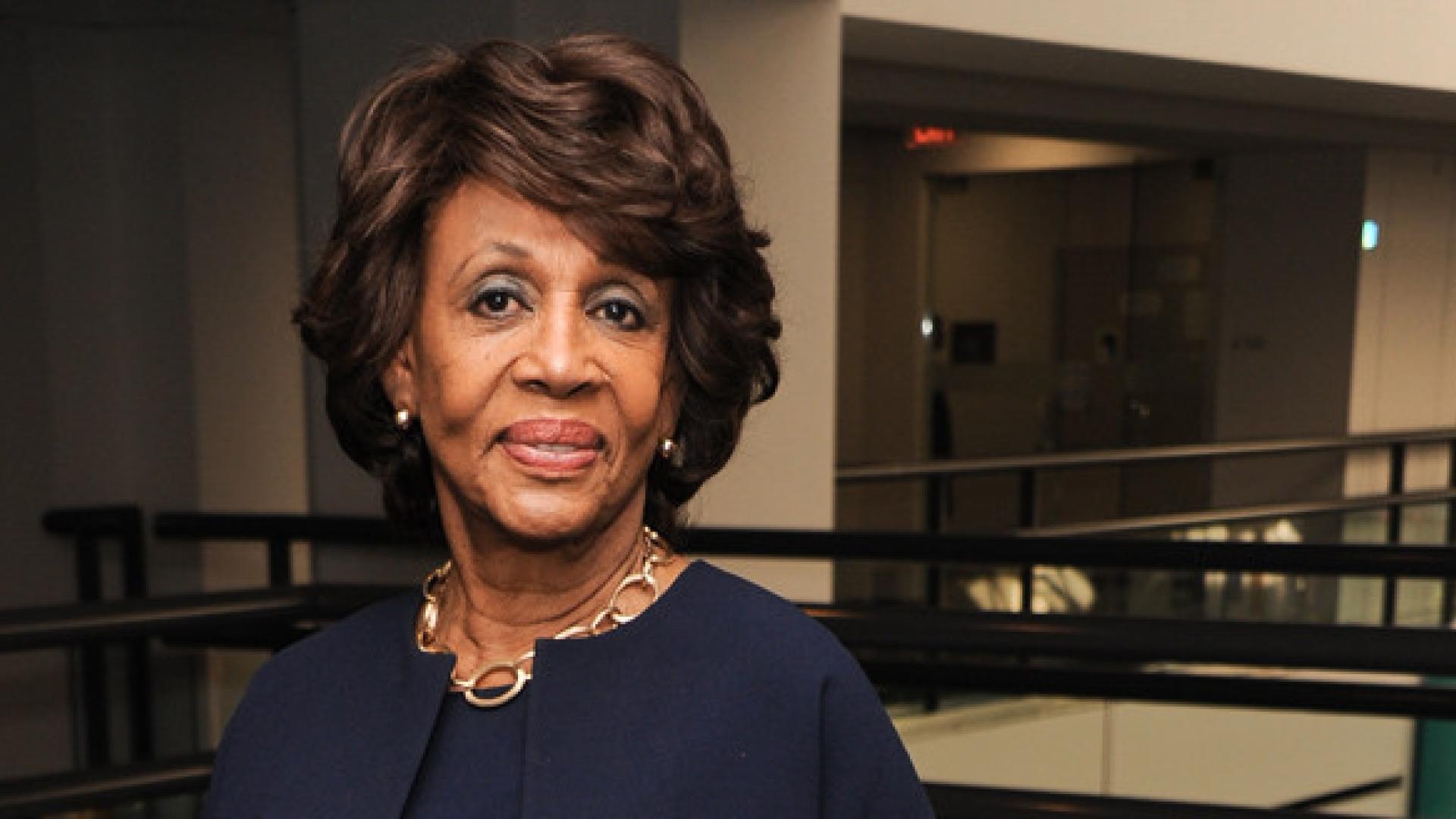
In this enlightening episode of the 'Conversation with Mentors' series, we sit down with Dr. Goulda Downer, a distinguished professor from Howard University, renowned for her groundbreaking work in public health, nutrition, and sustainable community practices
This Black History Month 2022, Justice4Garvey Organization is dedicated to gathering 100,000 signatures to request an official response from the White House and President Biden for a posthumous exoneration of the Rt. Honorable Marcus Garvey for his unjust persecution and imprisonment by the U.S. government in 1923.