Postdoctoral Fellowship
Ethnic Skin
Johns Hopkins University School of Medicine
2018

Angel Byrd, M.D., Ph.D., is an associate professor in the Department of Dermatology at the Howard University College of Medicine. She was born and raised in Edwards and Jackson, Mississippi. She obtained her B.S. (’04) from Tougaloo College in Tougaloo, Mississippi and M.D. and Ph.D. (’16) from Warren Alpert Medical School of Brown University in Providence, Rhode Island. She completed an Ethnic Skin Postdoctoral Fellowship at Johns Hopkins University School of Medicine (JHUSOM) under the direction of Ginette Okoye, M.D. Byrd also serves as an adjunct assistant professor at Johns Hopkins University School of Medicine Department of Dermatology where her work centers on the establishment of tissue biorepositories to understand the immunopathological mechanisms contributing to skin of color diseases, particularly among African American patients with Hidradenitis suppurativa.
Byrd's main research focus is elucidating the unreported roles of neutrophils and the innate immunity in the induction of local and systemic immune dysregulation. Byrd leads multidisciplinary collaborative projects with the overarching goal of establishing a scientifically-driven approach to treatment options for patients suffering from these debilitating diseases.
Of much importance, she continues to pay-it-forward along her journey devoting time to training and investing in the next generations of scientists and physician scientists as well as engaging in community outreach. She is the inaugural recipient of the Skin of Color Society Career Development Award and the Society for Investigative Dermatology (SID) Freinkel Diversity Fellowship Award. She has also received the American Skin Association Milstein Research Scholar Award for Melanoma/Non-Melanoma Skin Cancer, Mary Kay-SID Skin Health/Skin Disease Research Grant, as well as the Robert A. Winn Diversity in Clinical Trials Career Development Award (funded by Bristol Myers Squibb Foundation), has contributed to the scientific literature, given numerous lectures, national/international talks, and has been featured on the BET 33rd Annual UNCF An Evening of Stars® international program, recognizing her as one who is “changing the face of science, one mind at a time.”
Ethnic Skin
Johns Hopkins University School of Medicine
2018
Medicine
Brown University
2016
Pathobiology
Brown University
2014
Chemistry
Tougaloo College
2004
Speciality Areas:
Principal Investigator: JHUSOM Physician Scientist Training Program Microgrant Award “Understanding the collective role of Candida albicans, Neutrophils and Macrophage Extracellular Traps in the pathogenesis of Hidradenitis Suppurativa” — Award period: 09/15/2017 - 09/15/2019; Total Award: $5,000.
Principal Investigator: Danby Hidradenitis Suppurativa Foundation Research Grant “Establishment of a fresh tissue bank for hidradenitis suppurativa to elucidate immunopathological mechanisms” — Award period: 06/05/2018 - 08/05/2021; Total Award: $5,000.
Co-Investigator: Johns Hopkins Blaustein Pain Research Fund Grant “The impact of pain and sleep on surgical wound healing in hidradenitis suppurativa” — Award period: 01/14/2020-01/14/2022; Total Award: $10,000.
Co-Investigator/Co-Director: Pfizer Pharmaceutical Company “Howard University Skin of Color Postgraduate Research Fellowship” — Award period: 01/15/2020 – 01/15/2022; Total Award: $349,520.
Principal Investigator: Society for Investigative Dermatology (SID) Freinkel Diversity Fellowship “Efforts to Increase Diversity in Women of Color Participating in Dermatology Research” — Award period: 06/1/2021 – 05/31/2023; Total Award: $15,000.
Principal Investigator: Skin of Color Society Career Development Award (Sponsored by Pfizer) “Elucidating the Role of Autoantibodies in Hidradenitis Suppurativa” – Award period: 07/1/2021 – 06/30/2023; Total Award: $100,000.
Principal Investigator: American Skin Association Milstein Research Award for Melanoma/Non-Melanoma Skin Cancer “Examining gene expression in mycosis fungoides in skin of color” – Award period: 05/01/2022 – 04/30/2023; Total Award: $60,000.
Principal Investigator: Mary Kay-Society for Investigative Dermatology (SID) Skin Research Grant "Uncovering the Genetic Basis of Melasma in Skin of Color” – Award period: 06/01/2022 – 05/31/2023; Total Award: $25,000.
Co-Investigator/Co-Principal Investigator: Women’s Dermatologic Society (Sponsored by La Roche-Posay) “Dermatology Fellowship at Howard University College of Medicine – Award Period: 07/01/2022 – 06/30/2023; Total Award: $250,000.
Co-Investigator/Co-Principal Investigator: Janssen Pharmaceuticals Fellowship “The Howard University Longitudinal Dermatology Fellowship program for students from groups Underrepresented in Medicine (UIM)” – Award period: 07/01/2022 – 06/30/2023; Total Award: $50,000.
Co-Principal Investigator: Skin of Color Society Research Award (Sponsored by Pfizer) “Examining gene and protein expression in clinically diverse Mycosis Fungoides Samples from Skin of Color Patients” – Award period: 07/1/2021 – 06/30/2023; Total Award: $15,000.
Principal Investigator (CDA): Bristol Myers and Squibb Foundation Robert A. Winn Career Development Award “A pragmatic trial of home verses office based narrow band ultraviolet B phototherapy for the treatment of psoriasis (Light Treatment Effectiveness ‘LITE’ Study)” — Award period: 11/01/2022 – 10/31/2024; Total Award: $240,000.
Co-Investigator/Co-Principal Investigator: Janssen Pharmaceuticals Fellowship “The Howard University Dermatology Fellowship program for students from groups Underrepresented in Medicine (UIM) – Hidradenitis Suppurativa” – Award period: 07/01/2023 – 06/30/2024; Total Award: $250,000.
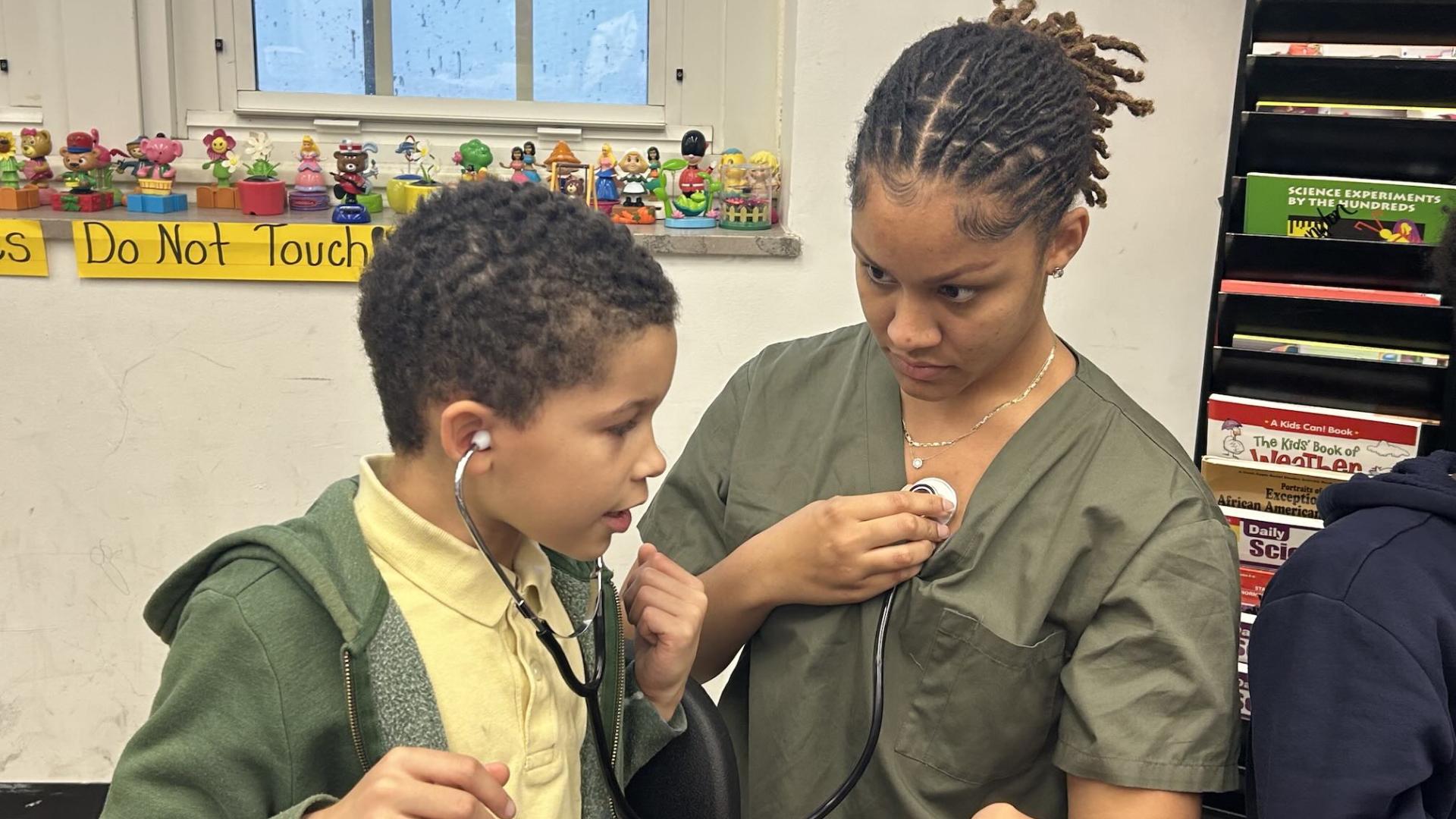
Read: The Washington Informer | First Cohort of HU Mini-Med Students Receive White Coats
Adverse childhood experiences (ACEs) and associated health outcomes among adults with skin cancer
Background: Ongoing investigations established the relationship between adverse childhood experiences (ACEs) and chronic diseases, such as high blood pressure, diabetes, atopic dermatitis, and psoriasis. However, the specific association between ACEs and skin cancer remains relatively unexplored in scientific literature.
Objective: This study aimed to evaluate the relationship between adverse childhood experiences (ACEs) and measures of health-related quality of life (HRQOL) among individuals with a skin cancer diagnosis.
Background: Direct-to-consumer advertisements (DTCAs) in medical marketing serve as a prominent modality to deliver information to an increasingly diverse audience of consumers and increase prescription sales. In dermatology, advertisements have the potential to shape the public’s opinions, aid in the understanding of skin conditions, and raise awareness of available treatments.
Objective: To investigate and characterize the representation of skin tones in DTCAs.
Immunopathogenesis of cutaneous T-cell lymphoma in skin of color patients part 2: Sézary syndrome
Cutaneous T-cell lymphoma (CTCL) serves as an umbrella term for numerous lymphomas that reside in or recirculate through the skin. One such systemic lymphoma is Sézary Syndrome (SS). Although SS is not as common in Skin of Color (SOC), minority patients presenting with the condition do have a different presentation than their White counterparts. In this graphical review, we provide an overview of SS immunopathogenesis and varying presentations. Additionally, a summary of current treatment options is provided, highlighting ongoing clinical trials and opportunities to include SOC patients to promote health equity. SOC patients often have poorer prognosis due to biological differences and health disparities resulting in delayed diagnosis. This exemplifies the potential advantages and promising solutions of precision medicine implementation. To this end, the impact and benefits of precision medicine are summarized.
Immunopathogenesis of cutaneous T-cell lymphoma in skin of color patients part 1: Mycosis fungoides
Mycosis fungoides (MF) is the most common subtype of Cutaneous T-Cell Lymphoma (CTCL). Patients with Skin of Color (SOC) may be disproportionately impacted by MF due to delayed diagnoses, limited research, and treatment differences. In this graphical review, we provide an overview of MF immunopathogenesis and demonstrate how it manifests differently in SOC patients. We also provide our hypothesis for why the disease process can result in a myriad of clinical presentations in SOC patients. Last, we provide a summary of current treatment options, highlighting ongoing clinical trials and opportunities to include SOC patients to promote health equity.
Hidradenitis suppurativa in Black and White patients - a clinical study
Objective: It is suggested that hidradenitis suppurativa (HS) is more prevalent and causes greater morbidity in Black patients than in White. Clinical data are however lacking.
Patients and methods: We therefore describe HS risk factors, disease severity and clinical phenotypes in the Blacks and Whites. Patients referred for HS between 1984 and 2019 at the Johns Hopkins Hospital were identified using the Pathology Data System (PDS). Clinical and sociodemographic characteristics were extracted and the van der Zee & Jemec HS clinical phenotypes were recovered.
The awareness of skin of color (SOC) in dermatology is expanding; however, a lack of diversity in dermatologic clinical trials persists,1 especially considering the inclusion of African Americans/Blacks.2,3 This study provides evidence of how SOC can be excluded and/or underestimated for severity of symptoms because redness can be overlooked by visual examination. This open-label, single center clinical study assessing SOC using clinical grading and biophysical testing reveals the positive results and benefits of a daily regimen containing a patented low molecular weight heparan sulfate—heparan sulfate analog (HSA). This work highlights how SOC subjects, especially those with darker skin tones, may be omitted from study analyses due to visual clinical grading limitations.
Rosacea changes are a result of an immune mediated response and the angiogenic properties of the LL-37 peptide. This peptide induces an inflammatory signal that activates the NLRP3-mediated inflammasome, triggering rosacea pathogenesis. Research findings show that LL-37 peptide is inhibited by binding to a cell surface glycosaminoglycan, heparan sulfate. Heparan Sulfate Analog (HSA) is a proprietary low molecular weight analog of heparan sulfate that has been formulated into a Dermal Repair Cream (DRC), specifically to aid in such immune mediated responses. Herein, in vitro studies using human epidermal keratinocytes showed an increase in HSA decreased LL-37 toxicity and IL-8 cytokine release. A single-center, randomized double-blind trial included 16 subjects (Fitzpatrick skin types I-IV) with a clinical diagnosis of type 1 rosacea and moderate to severe facial erythema, who were undergoing Pulsed Dye Laser (PDL) treatment.
Chapter 5: Histopathology of the Pilosebaceous Unit and Interstitium of Hidradenitis Suppurativa in A Comprehensive Guide to Hidradenitis Suppurativa
The purpose of this chapter is to examine the histological findings that underpin the clinical presentation of hidradenitis suppurativa (HS). The chapter first describes the cutaneous structure, cells, and the pilosebaceous unit in healthy skin, comparing White and African American skin as this is a disease that is overrepresented in patients with skin of color. Next the histological changes found in HS are presented. Expression of keratin, intra- and intercellular structures, immune cells, receptors, cytokines, and peptides in HS is also described where relevant.
National Medical Association – Dermatology Section (July 2023); New Orleans, LA
Loma Linda University Department of Dermatology Grand Rounds (April 2023); Virtual
Columbia University Department of Dermatology Grand Rounds (2023); Virtual
University of Massachusetts Dermatology Research Seminar (2022); Virtual
Skin of Color Society Meeting the Challenge Summit: Diversity in Dermatology Clinical Trials (2022); Washington, D.C.
Sonoma Biotherapeutics (2021); South San Francisco, CA
Skin of Color Symposium (SOCS) (2021); Virtual
5th Annual Symposium on Hidradenitis Suppurativa Advances (SHSA) (2020); Virtual
10th European Hidradenitis Suppurativa Foundation e.V. (EHSF 2021); Virtual
Skin of Color Society Media Day (2021); Virtual
Stanford University School of Medicine Dermatology Grand Rounds (2021); Virtual
University of Wisconsin – Madison Dept. of Medical Microbiology and Immunology (2021); Virtual
Global Dermatology Talks (2021); Virtual Seminar
Brown University/Rhode Island Hospital – Department of Surgery Research Seminar (2021); Virtual
Society for Investigative Dermatology (SID) Diversity Panel (2021); Virtual
Society for Investigative Dermatology (SID) National Meeting (2021); Virtual
Howard University College of Medicine - Dept. of Physiology and Biophysics Seminar (2019); Washington, D.C.
Leadership Alliance Summer Research Experience Seminar – Howard University (2019); Washington, D.C.
AbbVie Sponsored Symposium - 77th Annual Society for Investigative Dermatology (SID) meeting (2019); Chicago, IL
Keynote Speaker for SSP Awards Program – Tougaloo College (2017); Tougaloo, MS
Keynote Speaker for MERIT’s (Minority Education Resources Initiative for Teens) Annual Symposium – Johns Hopkins
University School of Medicine (2016); Baltimore, MD
Speaker for Minority Biomedical Research Support (MBRS) Program - California State University Dominquez Hills
(CSUDH) (2009, 2012, 2019); Carson, CA
Brown University Graduate School Pathobiology Retreat (2013); Providence, RI
Speaker for Student Seminar - TIMES2 STEM Academy and Sophia Academy (2012); Providence, RI
United Negro College Fund (UNCF)/Merck Science Initiative Graduate Science Research Dissertation Fellowship
acceptance speech (2011); Blue Bell, PA
Keynote Speaker for Inman Page Black Alumni Council – Brown University (2011); Providence, RI